
Embroidery
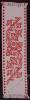
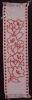
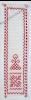

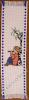
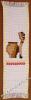
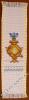

Soft hand-embroidered bookmarks create an atmosphere of peace and quiet.
It is believed that in order to tell whether an embroidered article is handmade or machine-made you have only to hold your hand, palm down, over it. If you feel it is warm, it is the good energy of the skilful embroiderer’s hands radiating from this handicraft.
.jpg)
 On Russian embroidered articles
Needlework is a favorite handicraft the world over.
The art and skills of female embroiderers were highly appreciated by all nations. Clothes, domestic interiors and festivals, be it a ball in a royal palace or a merry wedding feast in a tiny village, were inconceivable without elaborately embroidered objects. With villagers, needlework was a matter of pride, and with noble ladies it was a relaxing hobby. Russian folk embroidery has developed its own techniques, ornamental patterns, and colour schemes nurtured by vernacular tradition and aesthetic worldview. The ornamental quality and symbolism typical of the Russian genre drawings were based on ancient symbols conceived as talismans protecting people and their homes. The styles of embroidery varied throughout Russia’s vast expanses. Red painted ornamentation was characteristic of the northern Russia, and variegated intertwine was typical of the southern Russia. Central Russia favoured Gorky Flemish stitch, polychrome chain-stitch, and white Vladimir satin-stitch. The Chuvash practiced woolen yarn embroidery, and the Yakut preferred gold-thread embroidery.
