
Birch bark
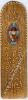



We have used different types of birch bark in making bookmarks:
- thin one-layered birch bark that is velvety and soft to the touch,
- two-layered birch bark that is remarkable for its lasting quality.
.jpg)
On birch bark and birch Trees
.jpg "Kuindzhi A. Birch Grove. 1879") A birch tree is fondly described in the Russian culture as a white bride of a tree, a curly beauty. Birch is revered by the Russians for its omnipresence. Indeed, it yields refreshing sap in spring, as well as a shelf fungus used in healing. Birch bark tar is used to lubricate cart wheels. Birch firewood keeps your house warm while birch-twig besoms keep it tidy. Bunches of birch twigs with dry leaves are indispensable to the Russian steam bath. Above all, birch trees delight the eye during severe winter and hot summer alike.
A birch tree is fondly described in the Russian culture as a white bride of a tree, a curly beauty. Birch is revered by the Russians for its omnipresence. Indeed, it yields refreshing sap in spring, as well as a shelf fungus used in healing. Birch bark tar is used to lubricate cart wheels. Birch firewood keeps your house warm while birch-twig besoms keep it tidy. Bunches of birch twigs with dry leaves are indispensable to the Russian steam bath. Above all, birch trees delight the eye during severe winter and hot summer alike.
Moreover, Russian domestic life would be inconceivable without beresta, tender birch bark. Waterproof, lasting and pliable, it makes an excellent material for handicraft. Birch bark sheets and braided strips were used in making everyday objects typical of a peasant life, e.g. baskets for mushrooms and berries, small cases for metal tools, tuyes boxes for keeping foodstuff, and hot or cold liquid containers. Peasants used to wear lapti bast shoes and bast hats and carry bast bags; young peasant girls used to wear birch bark ornaments and frontlets to keep their hair in place.
It was owing to the birch bark that literacy became universal in Russia. Letters were scratched into birch bark us.jpg "Writings on birch bark") ing a small sharpened bone or a metal stick known as pisalo. Birch bark manuscripts that have survived from as far back as the eleventh century have told us stories of private lives, as well as the social and economic structure and backstage politics of the day.
ing a small sharpened bone or a metal stick known as pisalo. Birch bark manuscripts that have survived from as far back as the eleventh century have told us stories of private lives, as well as the social and economic structure and backstage politics of the day.
Master craftsmen would decorate their birch bark wares with an open work, embossed patterns, and painted motifs. The original quality of the decoration was determined by the local tradition peculiar to the Arkhangelsk, Veliky Ustiug, Novgorod, Tomsk and other areas throughout Russia.
